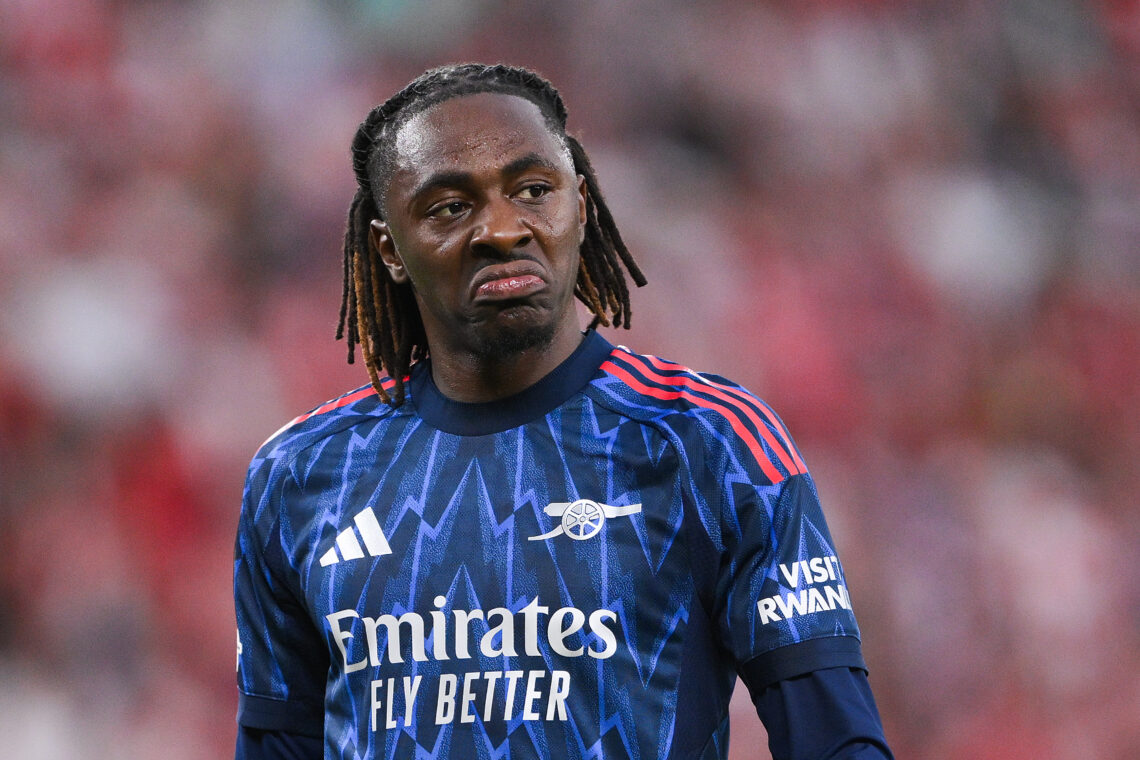

Rumours involving Eberechi Eze and Crystal Palace have been doing the rounds after Arsenal won the Premier League title.
Some on social media are claiming that Steve Parish can expect Arsenal to pay a further £10m for the England international after he became a Premier League winner, as part of the bonus payments involved in his £67.5m move to the Emirates Stadium from Crystal Palace last August.
Adam Williams – Head of Football Finance and Governance Content at GRV Media – has now explained to We Are Palace why that is unlikely to be the case despite Eze winning the Premier League.
Who is your DREAM signing? ⭐️

Exclusive: £10m Eze instalment is “well wide of the mark”
Williams said: “I saw the rumours that Arsenal were due to pay Crystal Palace £10m in bonuses if they won the Premier League, related to the Eze transfer. Straight away, a bit of simple deduction shows that is well wide of the mark.
“In their accounts, Arsenal detail what is known as ‘contingent liabilities’ – which is basically the total possible sum that they could pay clubs from whom they have signed players who have gone on to hit certain targets. Their total contingent liabilities as of last summer were about £17m, so the supposed Eze bonus would have had to have represented well over half of that. When you’ve got a squad which has cost billions to assemble, there’s no chance that a single player would take up that much of a commitment.”
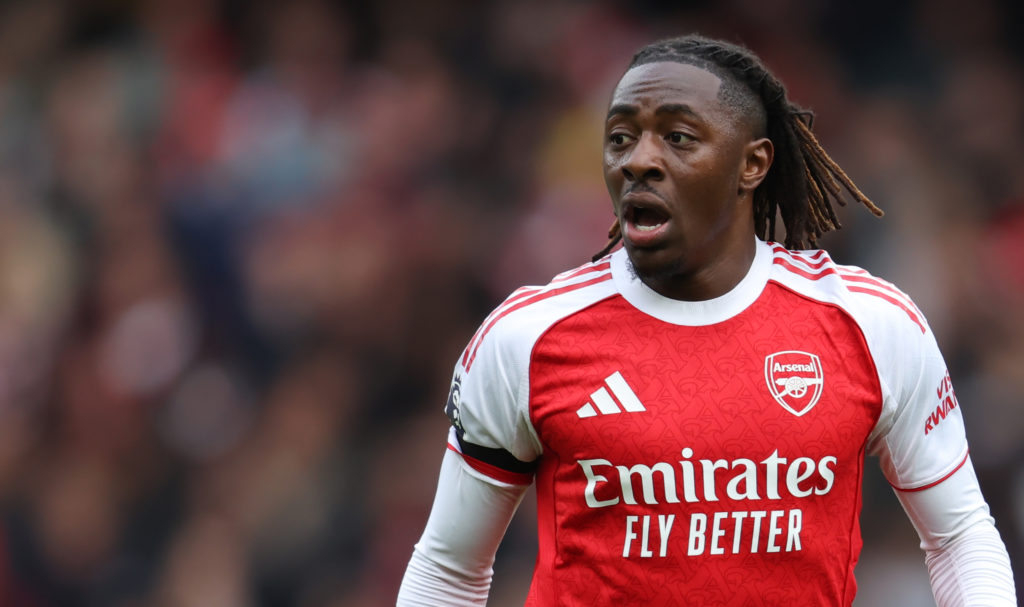
Williams – who also recently spoke about the potential financial benefits of UEFA Europa League football for Crystal Palace – continued: “For Arsenal, it wouldn’t make financial sense because the difference between finishing 1st and 2nd is only about £2.6m, so – if you were to look at it through a very weird, clinical financial lens – then they actually would have lost money for winning the league if they had to pay Palace a further £10m for Eze.
“I don’t doubt that there are add-ons. They supposedly reach about £7.5m, from the reporting I’m seeing. But they will be very much dependent on individual performance, rather than the team’s performance. That’s the way these deals tend to be structured, because the selling club is then effectively sharing in the success of the player, if he proves to be good value to the buying club.
“Incidentally, Arsenal’s approach to contingent liabilities is very different to, say, Manchester City’s. The maximum they are liable to pay out is £355m, per the accounts. So it’s night and day on that front.”
Who deserves to take the crown from Daniel Munoz? 👑