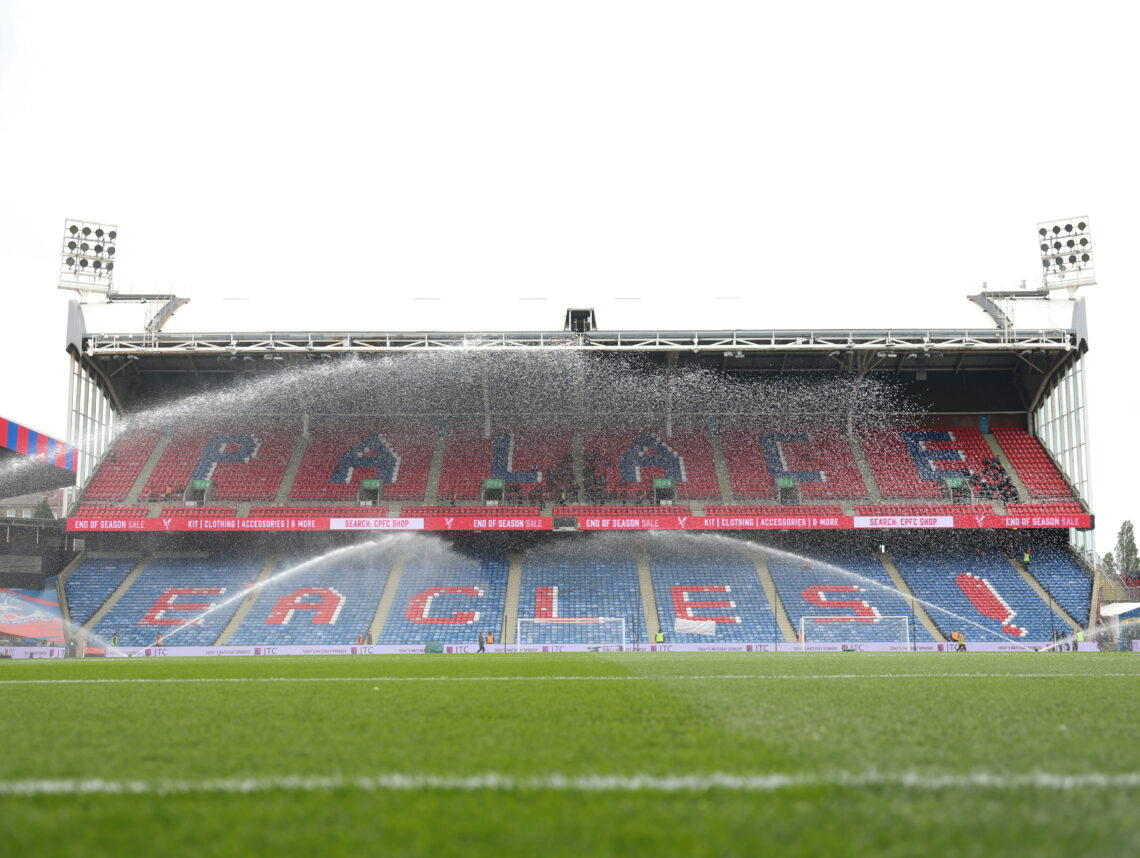

It is no secret that the cost of redeveloping the Main Stand at Selhurst Park has become far more expensive than Crystal Palace initially expected.
The Eagles foresaw the project to cost around £75m when first unveiling plans to transform Selhurst Park in 2017, although the global pandemic and inflation have since caused the price to surpass £200m.
Construction is underway nonetheless as Steve Parish attempts to complete the job – which is expected to be finished in early 2029.
Amid criticism of the £200m cost from some sections of social media – which has been described as ‘heavily inflated’ – Adam William has now assessed why the price is nothing out of the ordinary for a project of this nature.
Has Oliver Glasner ruined his Crystal Palace legacy by moving to Nottingham Forest? 🤔

Exclusive: Expert defends Crystal Palace amid £390m Emirates Stadium comparison
The Head of Football Finance and Governance Content at GRV Media told We Are Palace: “It’s a truism that massive infrastructure projects almost always come in over budget and late. In all honesty, going from £75m in 2017 to £200m-plus today wouldn’t be too bad, compared to other projects. That’s if they can keep the price at that level, which could be a big ask in and of itself.
“I don’t personally think the Arsenal comparison is useful because building costs – in terms of land, raw materials, labour, legal fees, navigating the frankly labyrinthine planning system and so on – have risen exponentially in the two decades since the Emirates opened. On top of that, you have ordinary inflation as well.
“Look at Everton for a benchmark – they originally budgeted £300m for the Hill Dickinson Stadium. The final cost, before interest is applied to the principal, is going to be £800m. Wembley originally had a construction budget of about £325m, but it too ended up costing nearly £800m. Granted, these are much bigger developments that the Main Stand at Selhurst Park, but they track in terms of the rate costs have increased.”
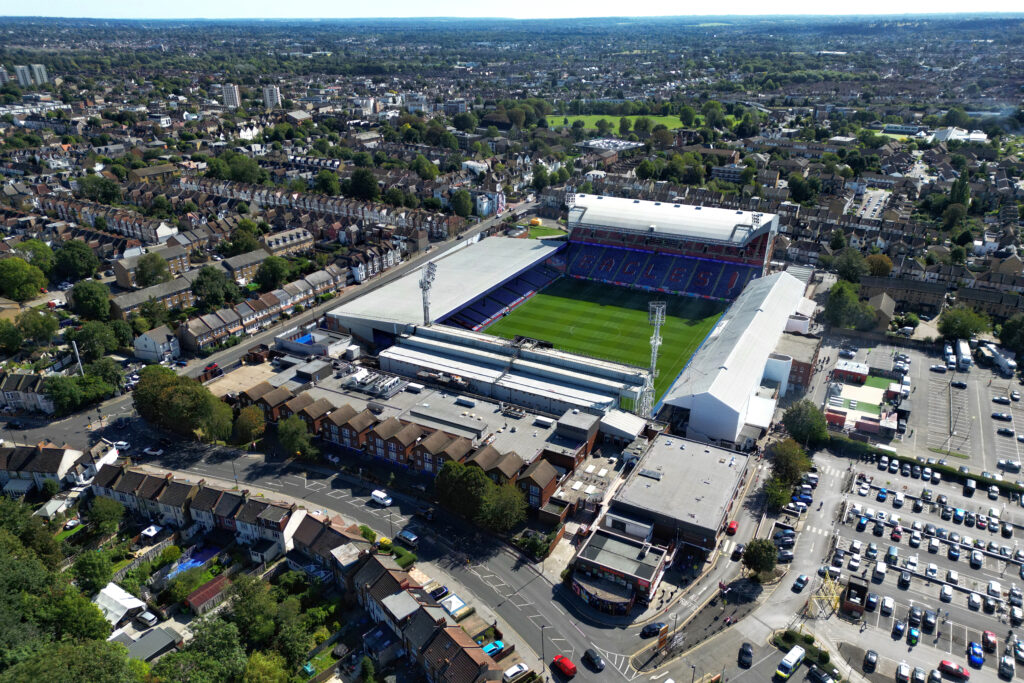
Continuing the discussion on Selhurst Park – where the away end now has safe standing – Williams added: “In terms of the long-term value of the project, Palace’s financial team will have taken a sophisticated look at what is ultimately a pretty simple equation: will the extra money generated by the increased capacity offset the annual interest payments on the loans used to finance the expansion? And is the margin going to be big enough for it to be the best use of your capital? In both instances, they would answer in the affirmative.
“I understand Palace fans’ frustrations about how long it has taken to get here, but this is simply the reality of capital expenditure projects like this. Ultimately, one would rather they do it slowly and get it right than rush it through and end up with big debts, a soulless stadium and an alienated fanbase.”